
Research, not content.
Every post here comes out of real production work, tracks I've mastered, curator queues I've reviewed, and mistakes I've made with my own money. No recycled tips, no filler.
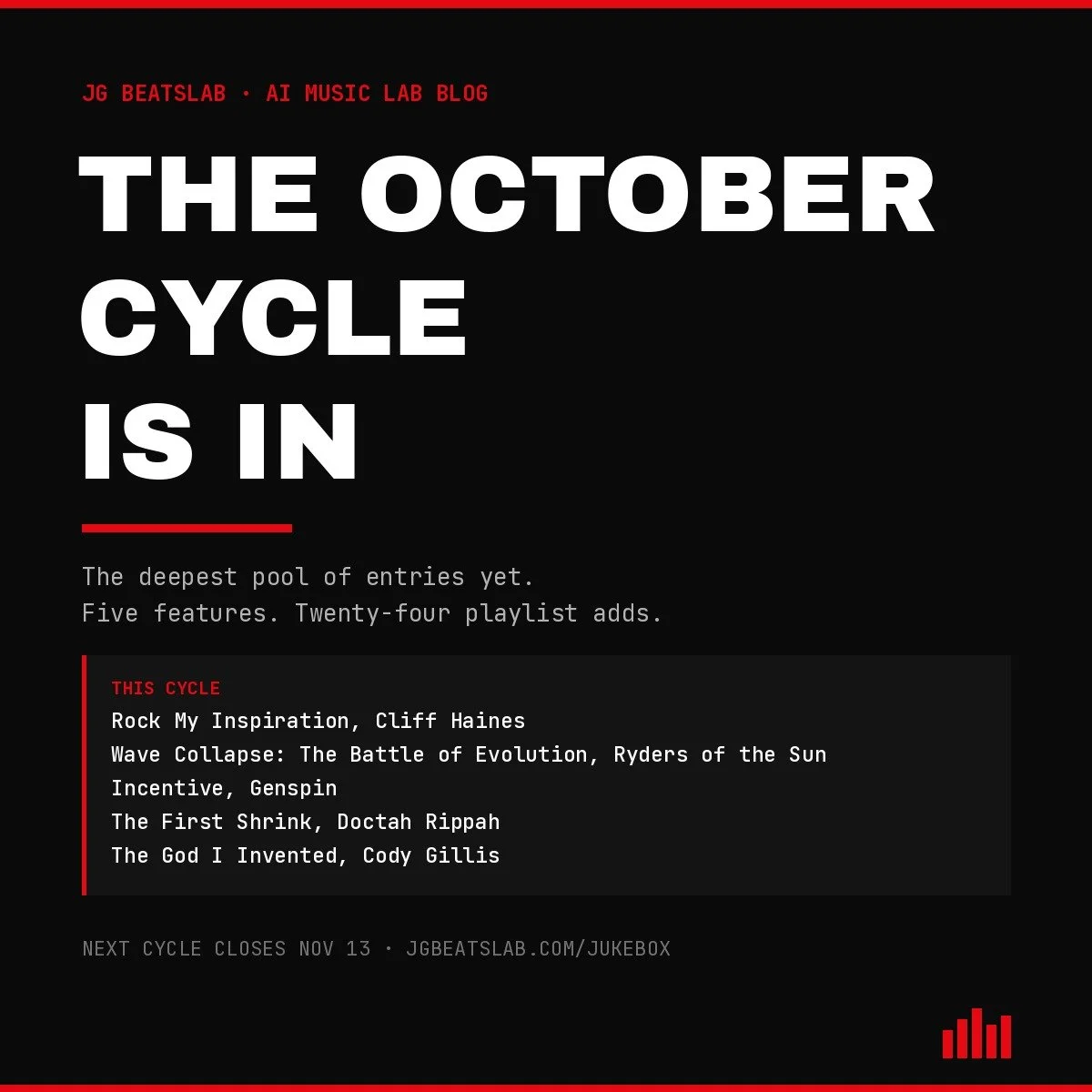
The October Beatslab Jukebox Cycle Is In
Cycle two of the Jukebox: five features, a stack of playlist adds, and one lesson half the entries needed to hear.
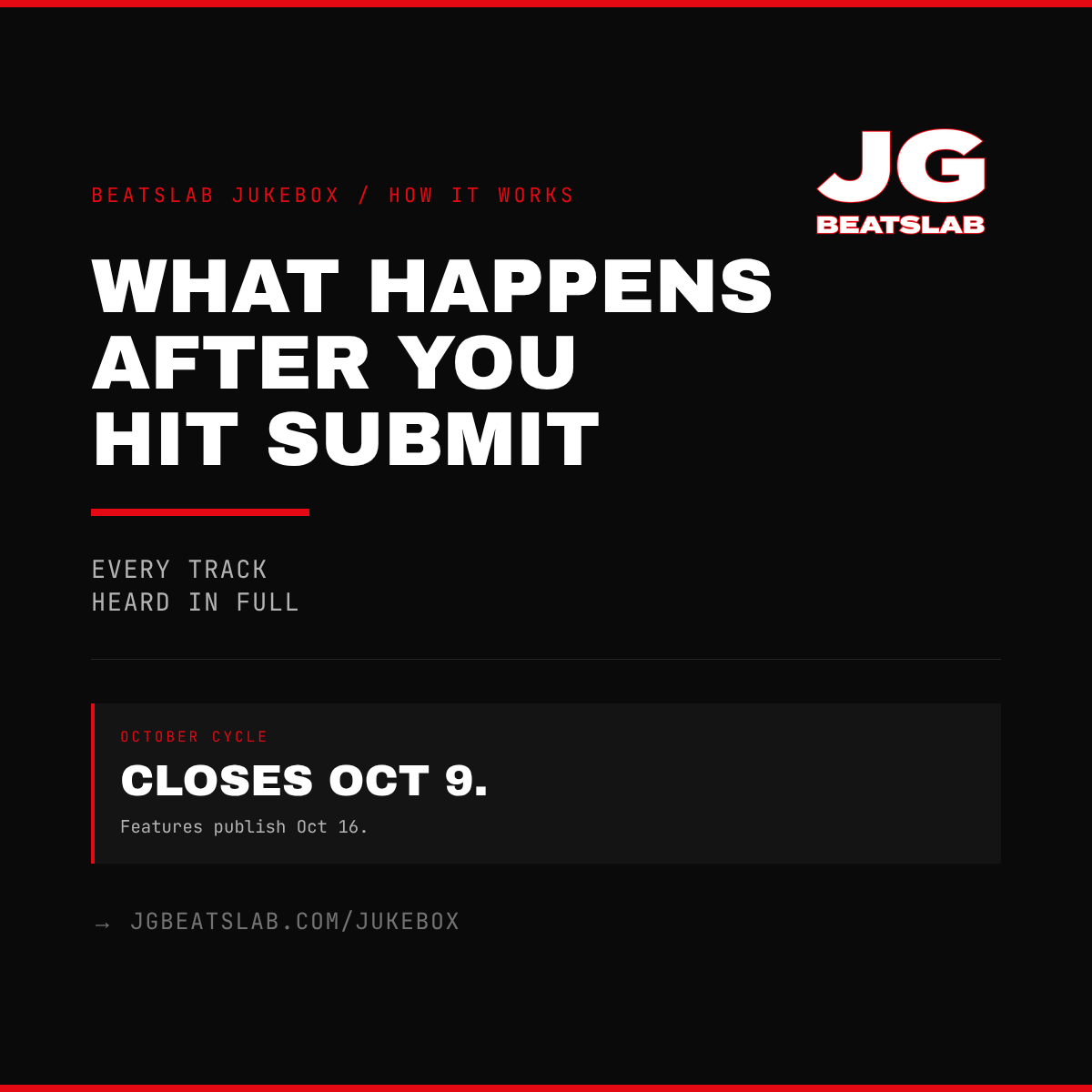
What Happens After You Hit Submit
A submitter asked what happens after they pay. Here's the whole Jukebox cycle in order: the listen, the calendar, features, playlist adds, and the feedback each tier gets back.
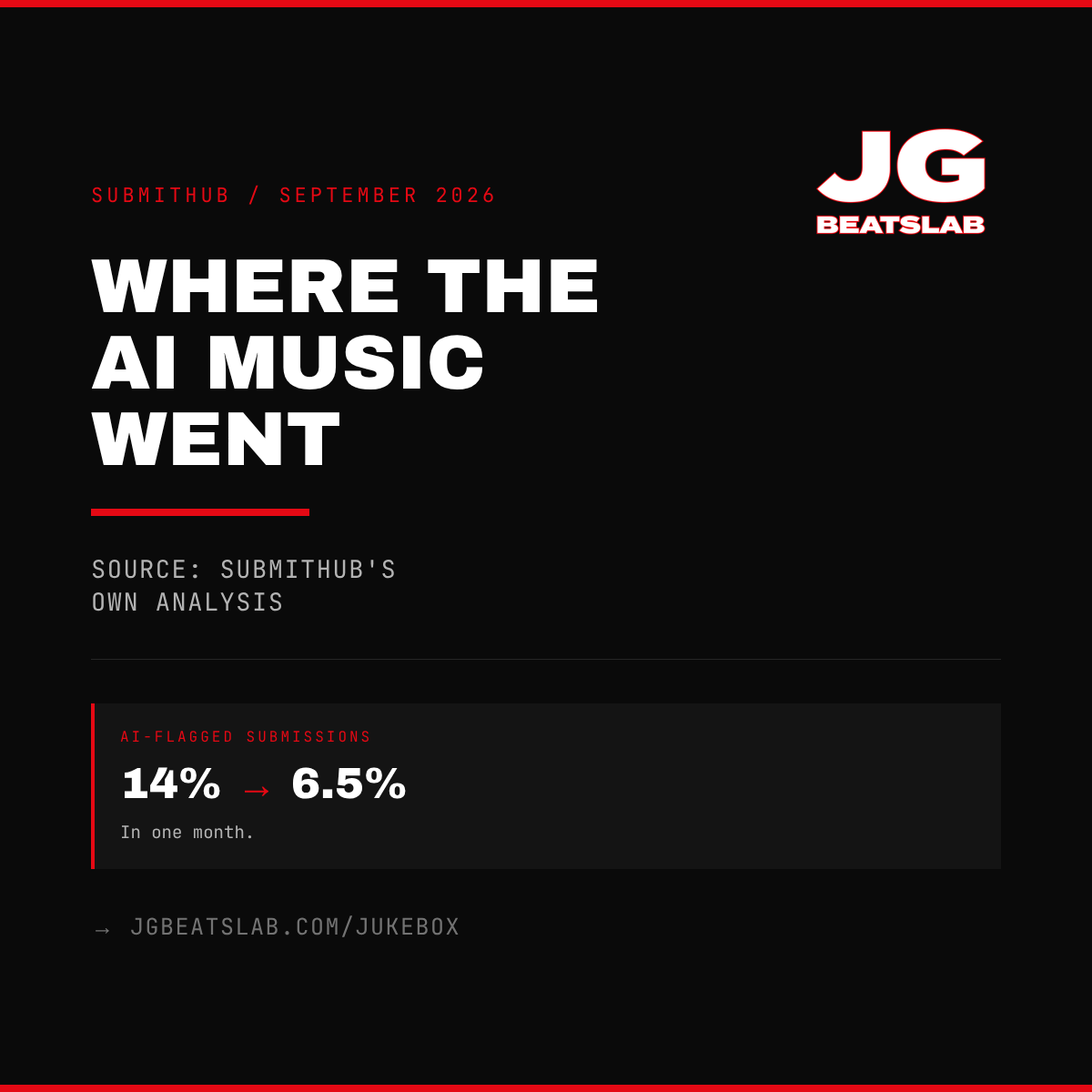
Where the AI Music Went
SubmitHub banned pure AI-generated music in September, then published what happened. AI-flagged submissions fell 57% in a month. Here's what the numbers show, what they can't show yet, and what a fair submission door should look like.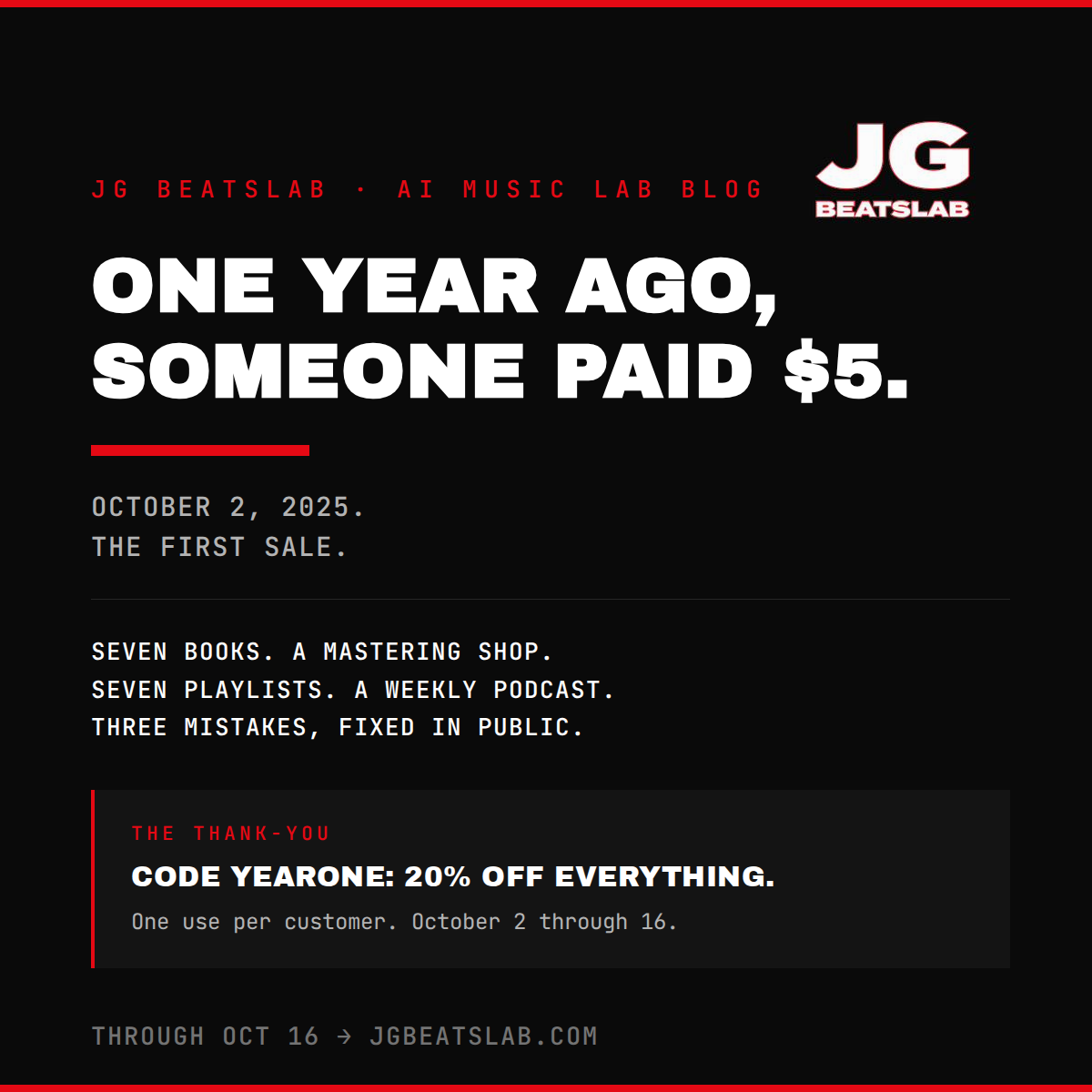
One Year Ago Today, Someone Paid $5
The first sale was five dollars, October 2, 2025, for the original Unlock Suno prompt guide. Here's what exists a year later, what I got wrong along the way, and a thank-you code that runs through October 16.
Is It Still Your Song?
A producer uploads the demo to Suno, strips the AI vocal, and has the client re-sing the lead. Another writer wrestles the model for every bar of the arrangement. Both end at the same question, and it's the one I hear from creators constantly: is it still your song?
Suno Rewrote Its Terms. Your Rights Now Hinge on the Download.
On September 3, Suno's rewritten terms took effect, and the change that matters most for a working producer got the least coverage: commercial rights now attach to the permitted download. What one unlock buys, what survives cancellation, and the one case the terms don't settle.
What the First Jukebox Cycle Actually Produced
The features are live, and "playlist consideration" undersells what a cycle turns out. Every track heard in full, every feature a written case, placements only where the lane fits, and one release moved forward by the feature itself.
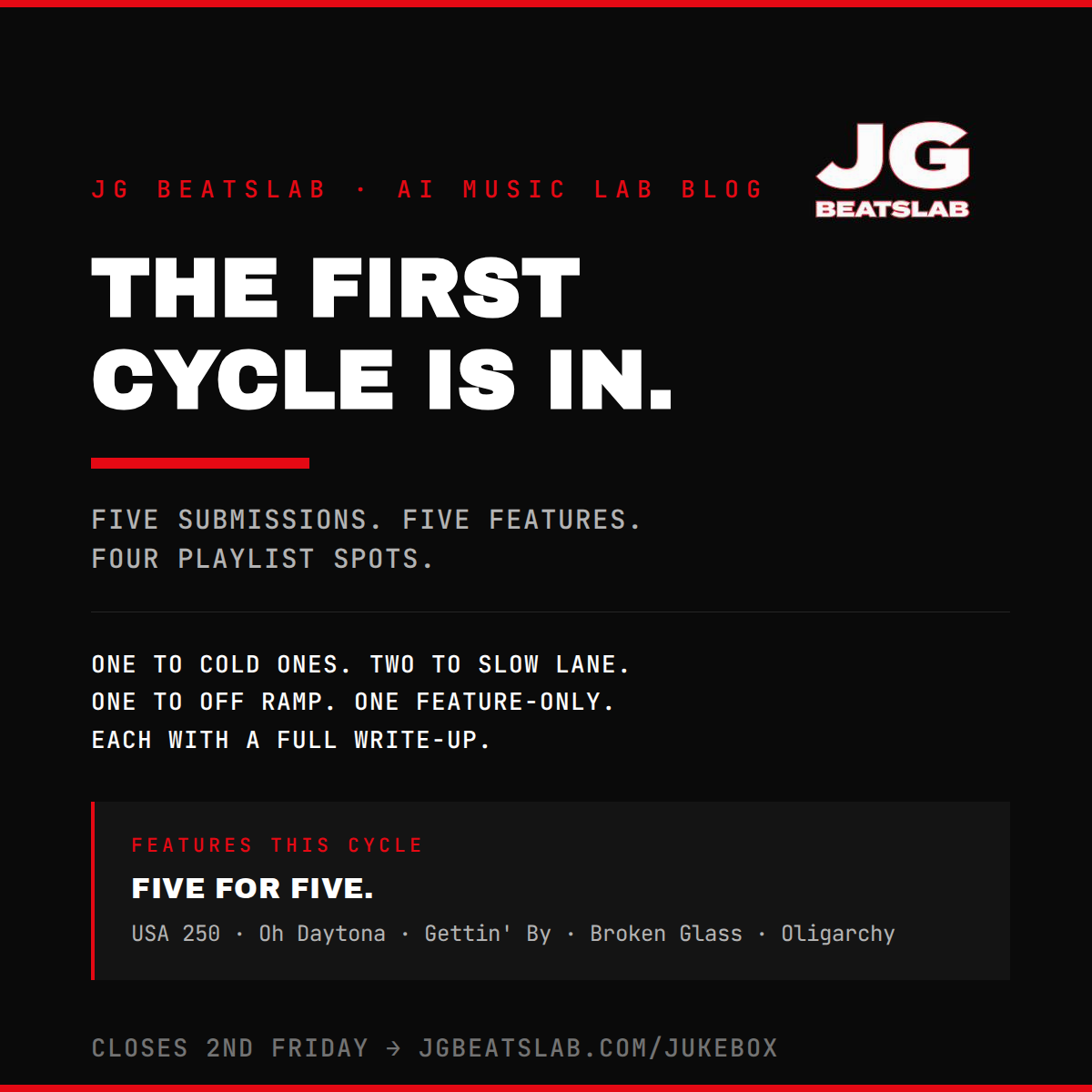
The First Beatslab Jukebox Cycle Is In
Five submissions came in for the first cycle. All five earned features, and four landed on playlists. Here's who's featured and where.
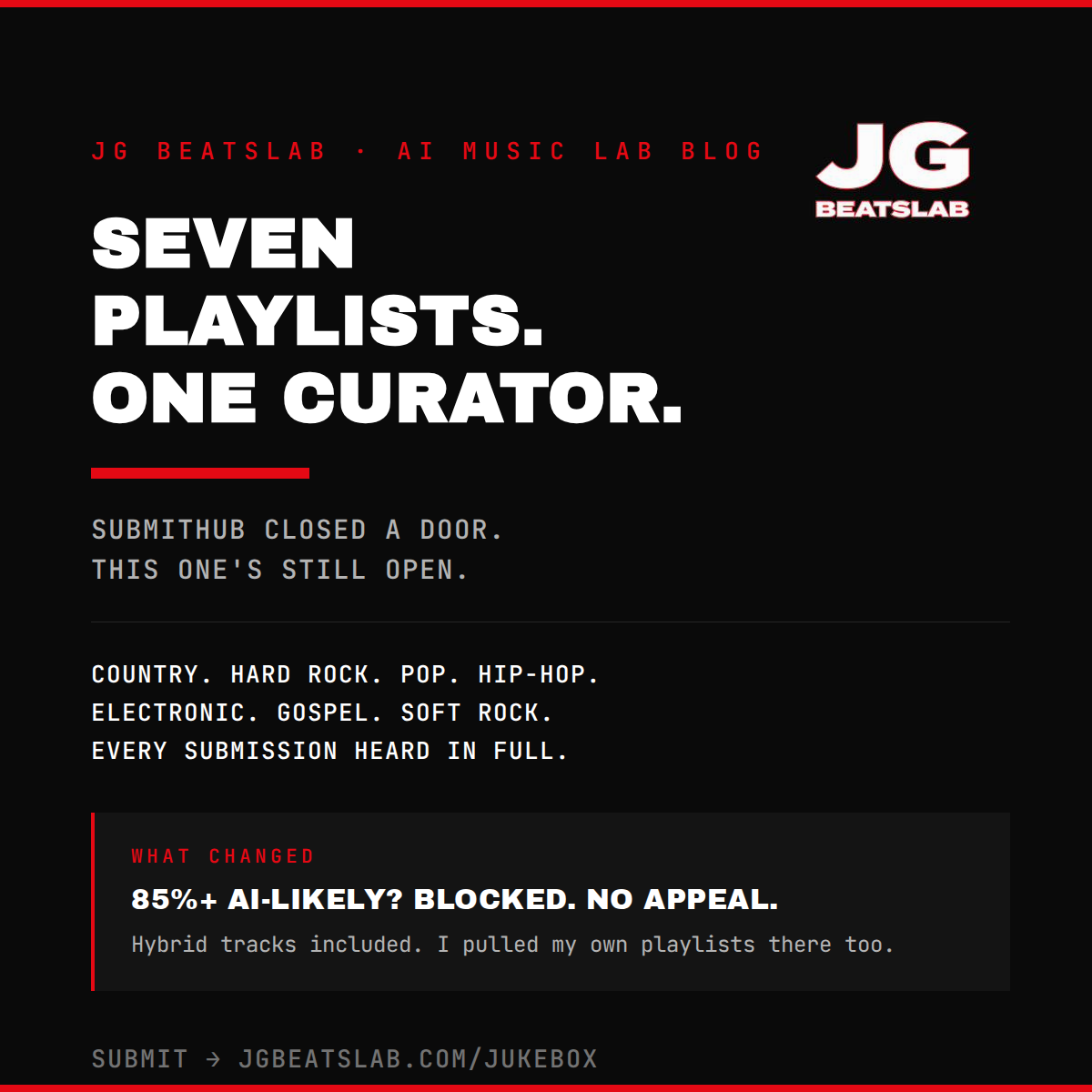
SubmitHub Just Changed the Rules. Here's What I Built Instead.
SubmitHub just closed a door that a lot of AI-assisted producers were walking through. I felt it too, on the other side of the curtain. Here's what actually changed, and the seven playlists I built because of it.
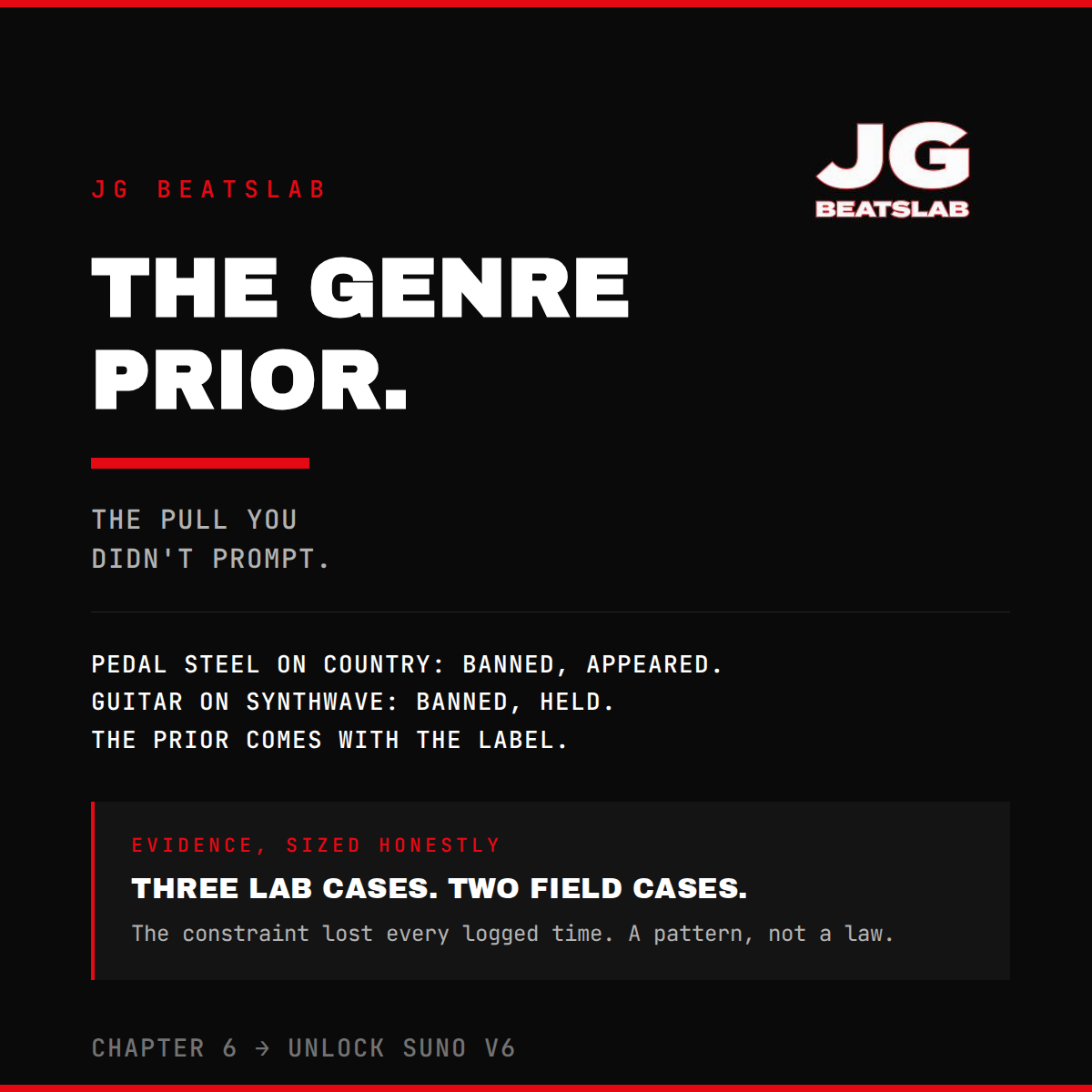
The Genre Prior
You put "-pedal steel" in the Exclude field on a modern country prompt, and pedal steel showed up anyway, both times. That's not a prompt-strength problem. The model carries a prior about what your genre sounds like, and the constraint lost to it on the genre's most defining element in every case logged.
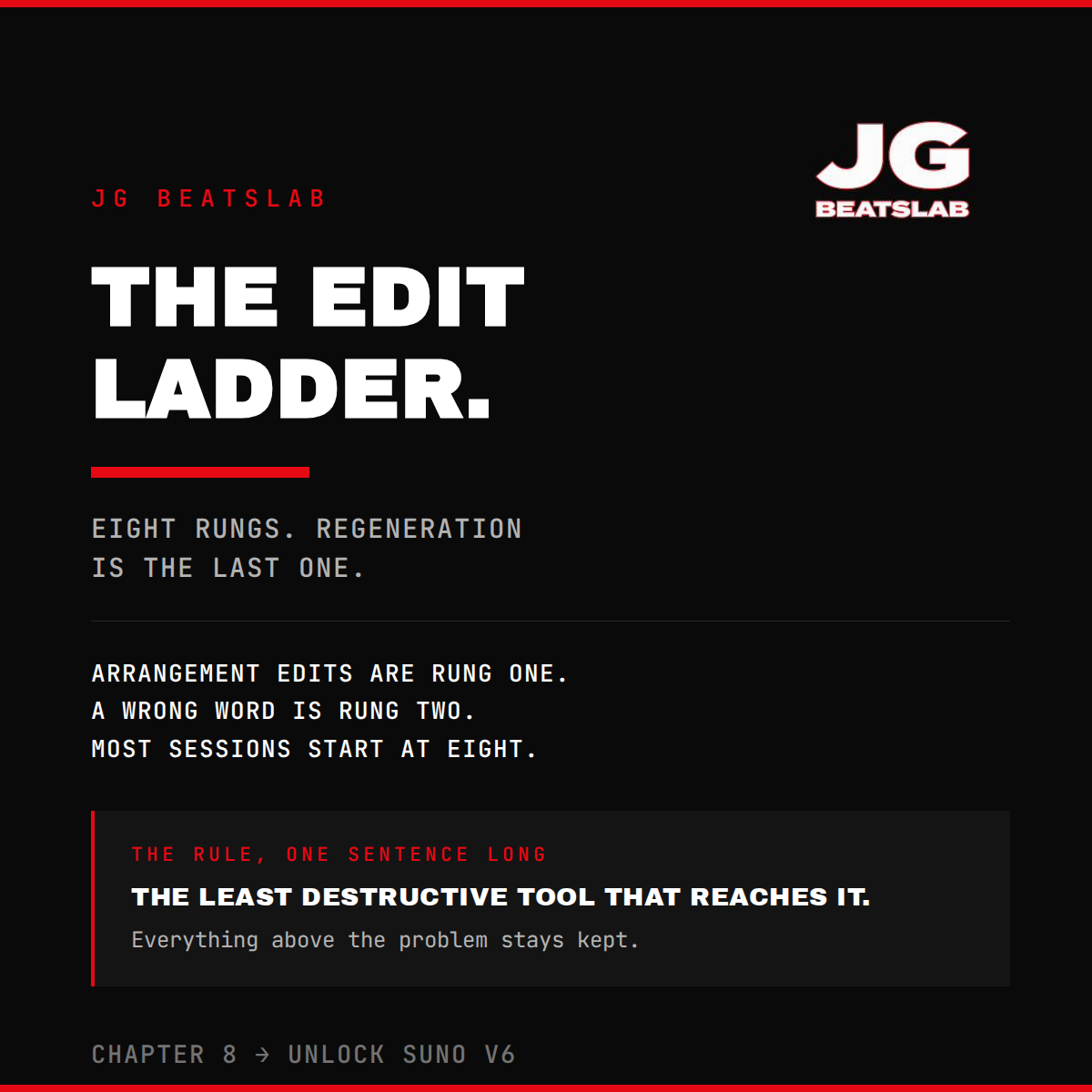
The Edit Ladder
Something's wrong with the song, and the move most producers make is the biggest one available: regenerate everything. Suno's edit tools sit on an eight-rung ladder ordered by what each one destroys, and the right fix is almost always lower than the one you reached for.
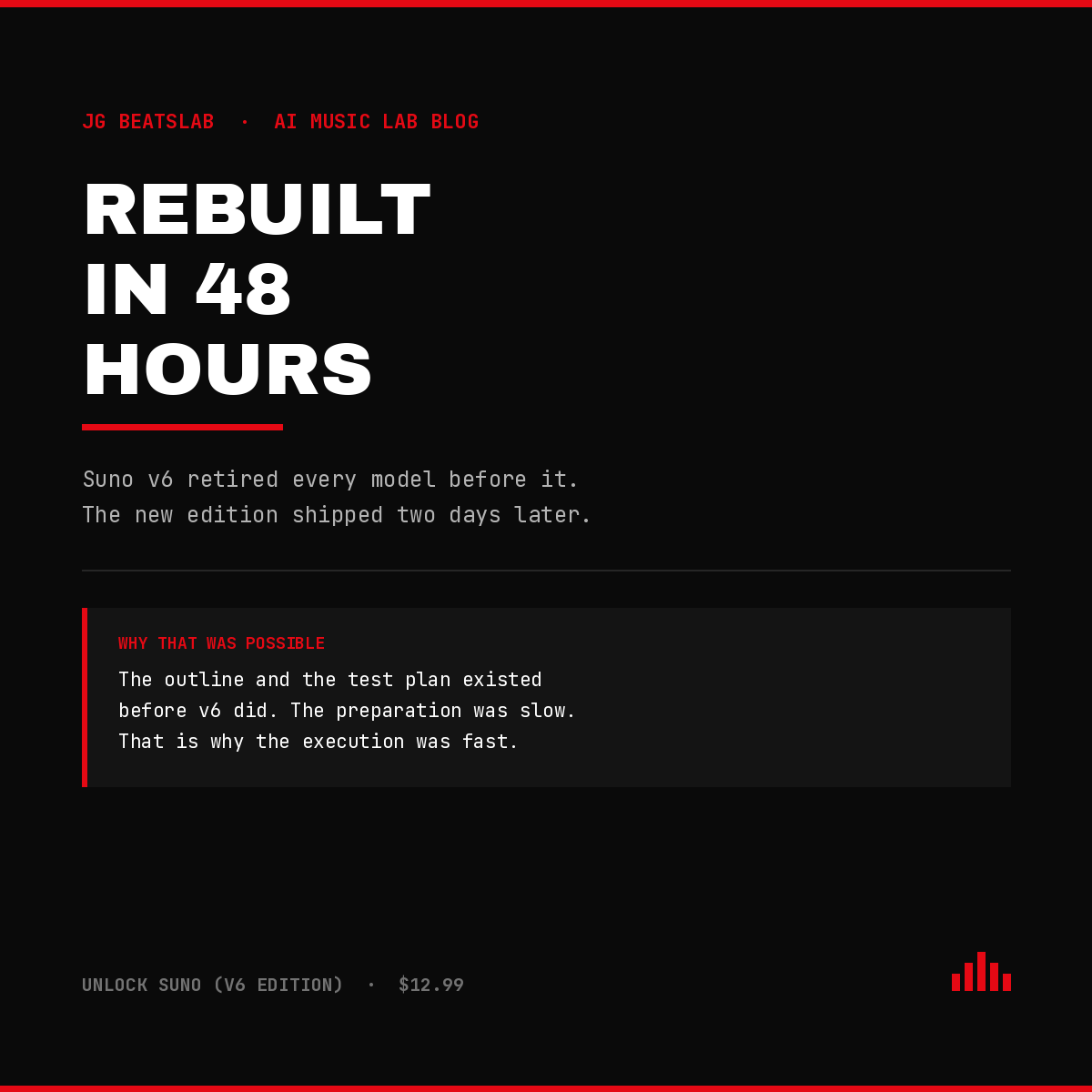
I Rebuilt My Suno Book in 48 Hours. Here's Why That Was Possible.
Suno launched v6 on September 9 and retired every model before it. Two days later the rebuilt guide was published. The speed was not the achievement. The preparation was.
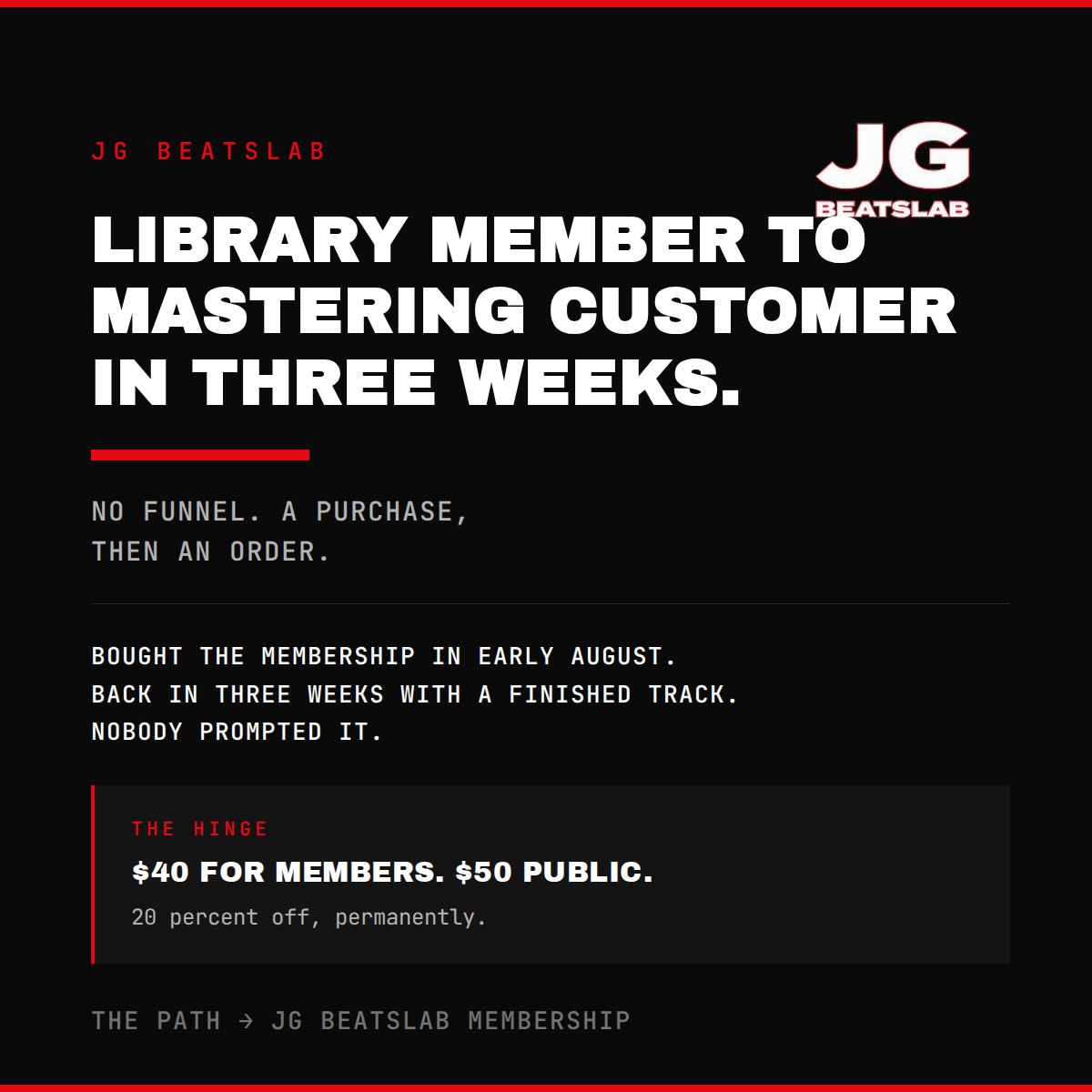
From Library Member to Mastering Customer in Three Weeks
Someone bought the membership in early August and came back three weeks later with a track to master. I can't tell you why, because I didn't ask. I can tell you what the structure was designed to do, and that this is it working in the drawn order.
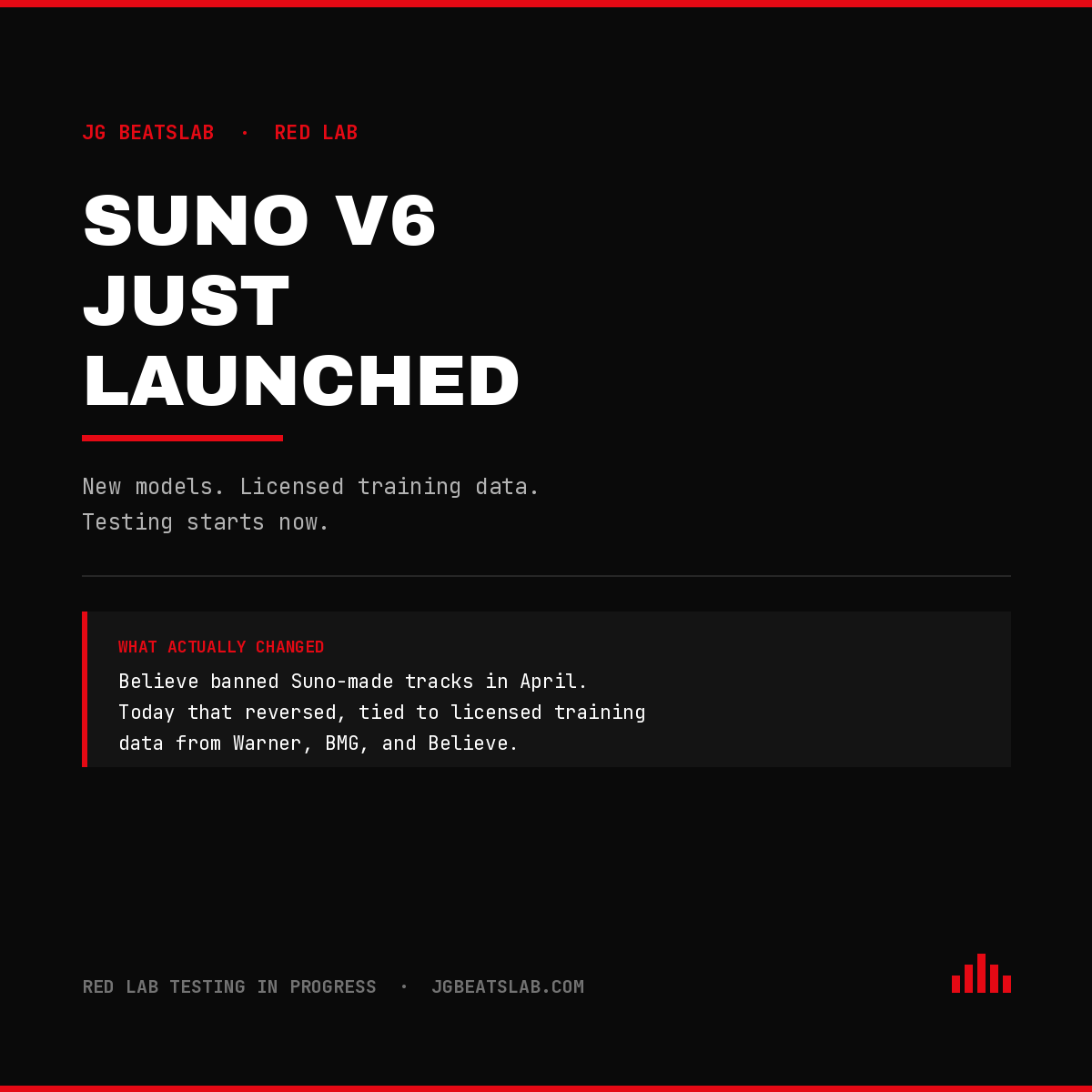
Suno v6 Just Launched. The Real Story Isn't the New Model.
Suno launched three new models today. The headline everyone's writing is "faster, better, more control." The story underneath it is that Believe, a distributor that banned AI music in April, just reversed course for tracks made with this model.
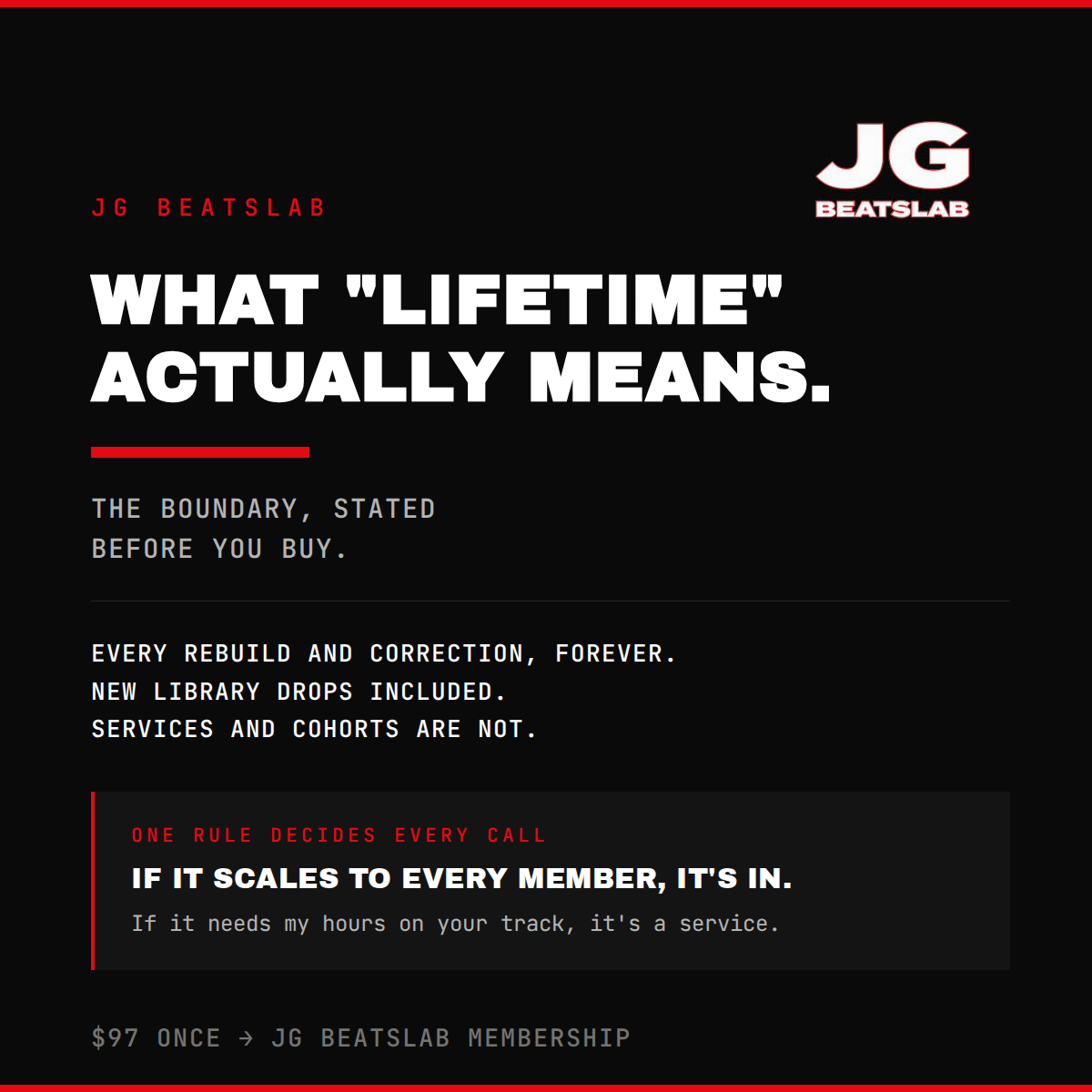
What "Lifetime Membership" Actually Means
"Lifetime membership" usually gets defined after the sale, in a support email, when the thing you assumed was included turns out to be an add-on. This is the opposite move: the exact boundary of the deal, in public, above the buy button.
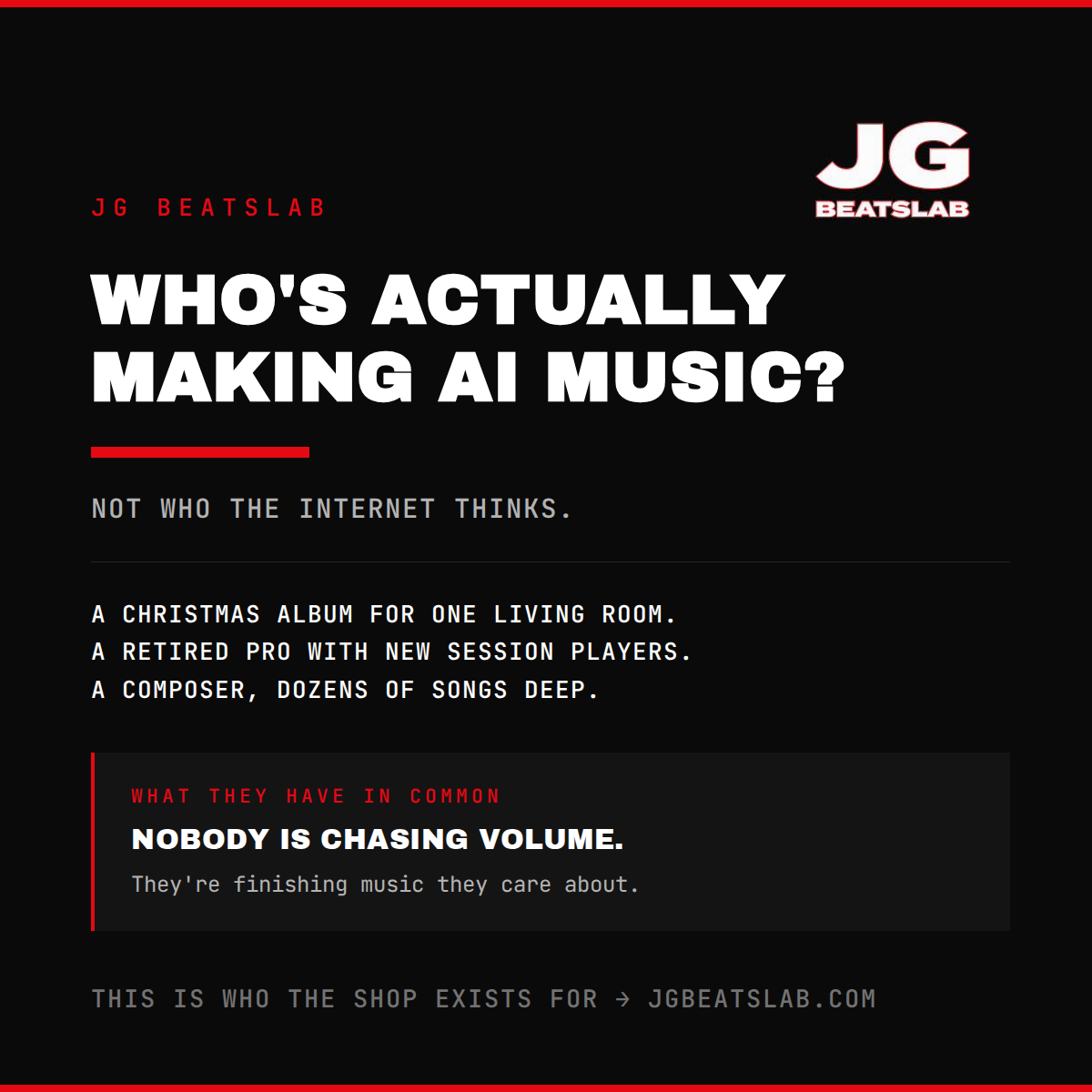
Who's Actually Making AI Music (It's Not Who the Internet Thinks)
The public picture of AI music is streaming-farm slop. The people who actually came through this shop last month are building Christmas albums for their living rooms and finishing theatrical scores. The gap between the stereotype and the queue is the story.
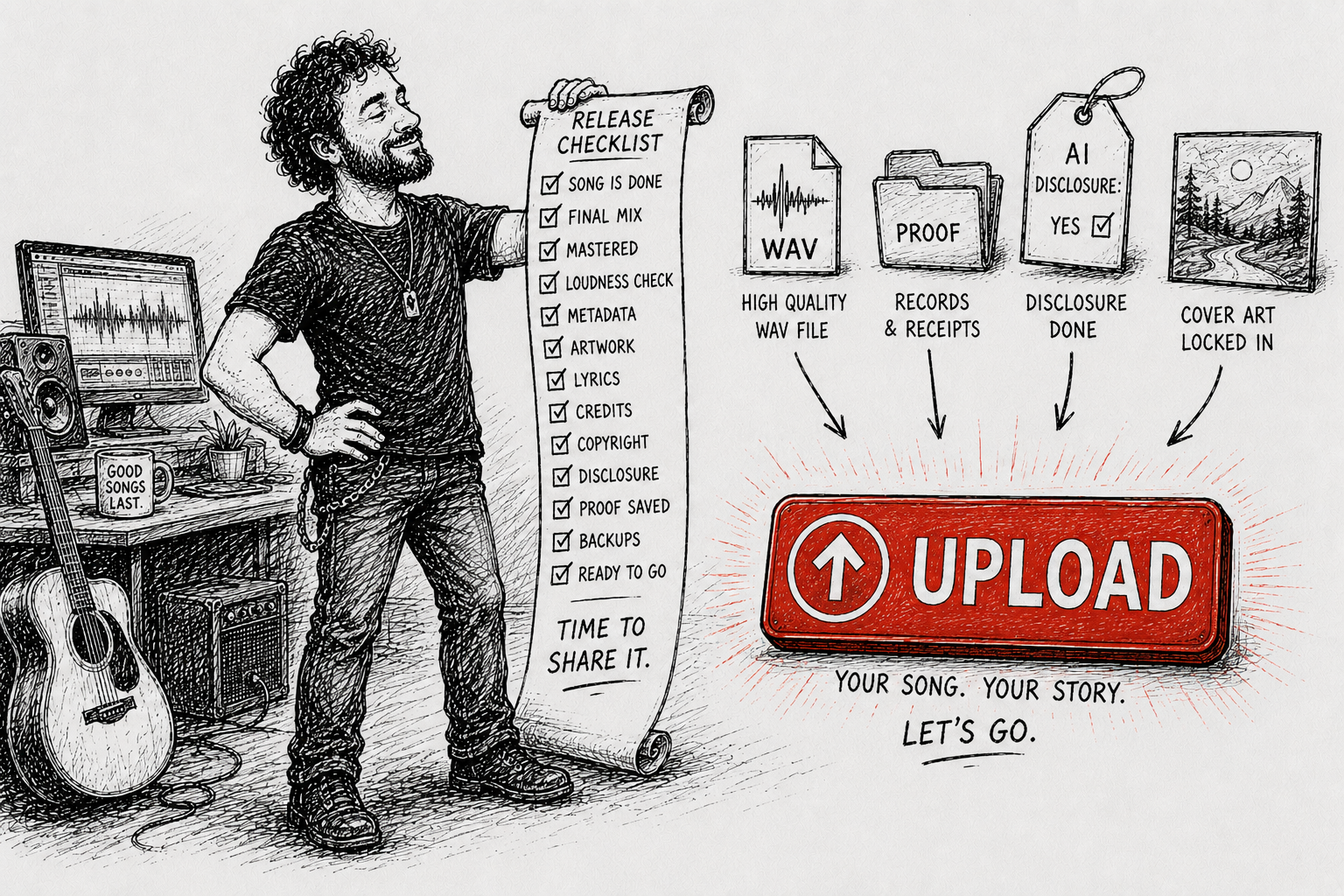
Releasing Your First AI Track: The Checklist Nobody Hands You
The song is done. It is good. And you are hovering over the upload button asking: am I allowed to sell this? Do I disclose it? Will it get taken down? Here is the checklist I wish someone had handed me.
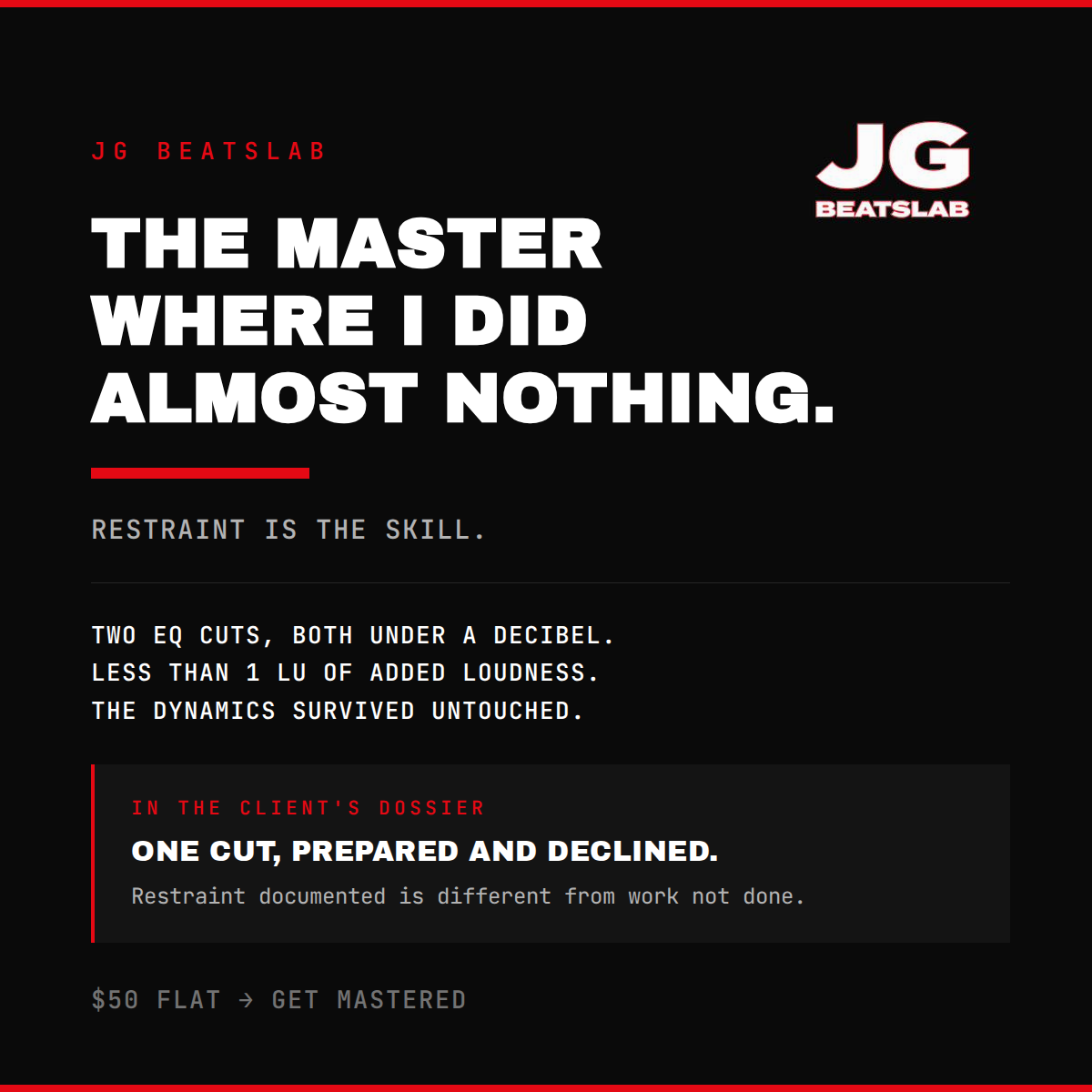
The Master Where I Did Almost Nothing
The best source I've mastered this month needed two EQ cuts smaller than a decibel and less than 1 LU of gain. There was also a cut I prepared, tested, and deliberately turned off. That decision is the whole post.
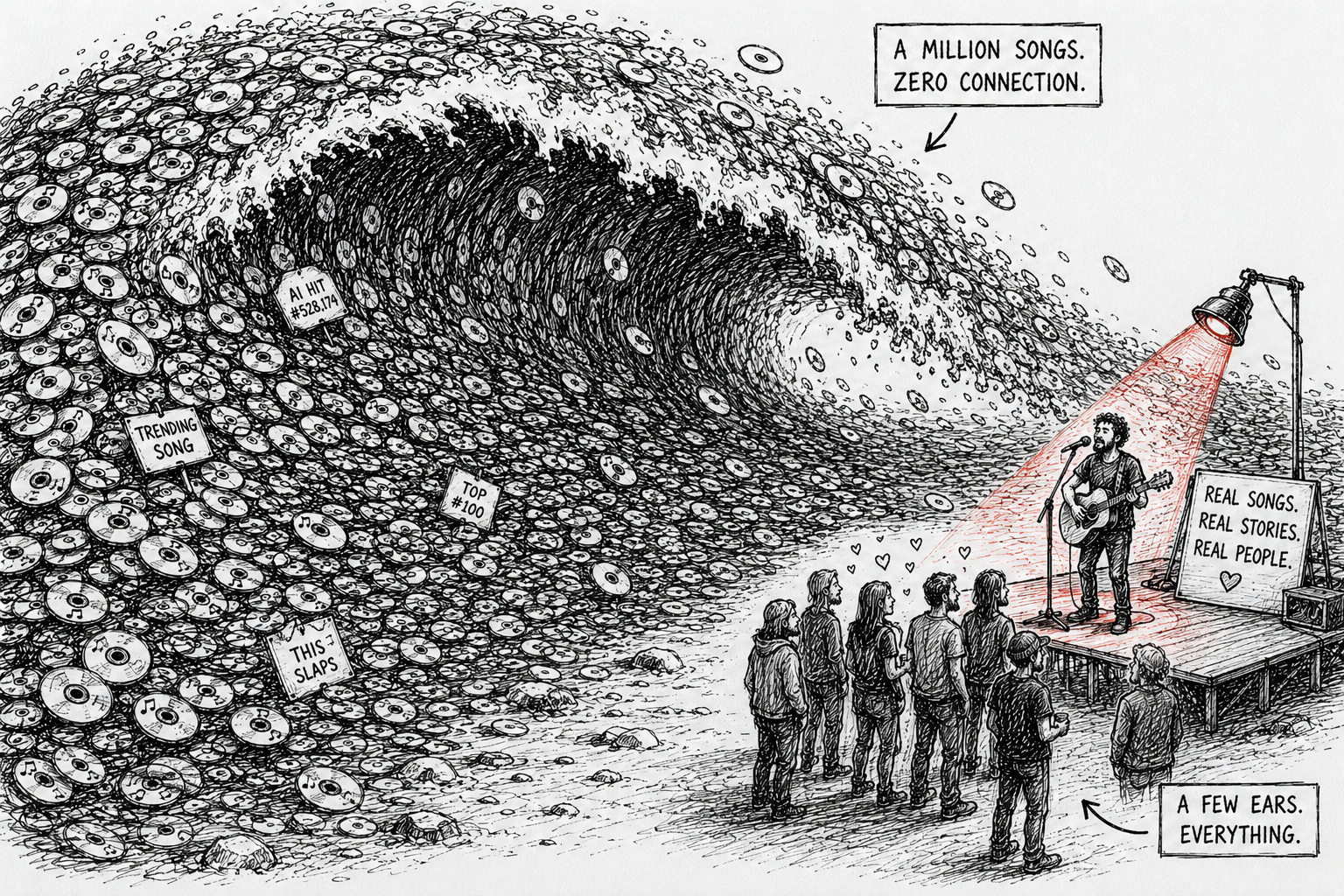
Nobody Is Listening: The Hard Truth About Releasing AI Music Right Now
You did everything right and got twelve streams, eight of them you. That is not a verdict on your talent. It is what happens to any unmarketed track dropped into the largest oversupply of music in history.
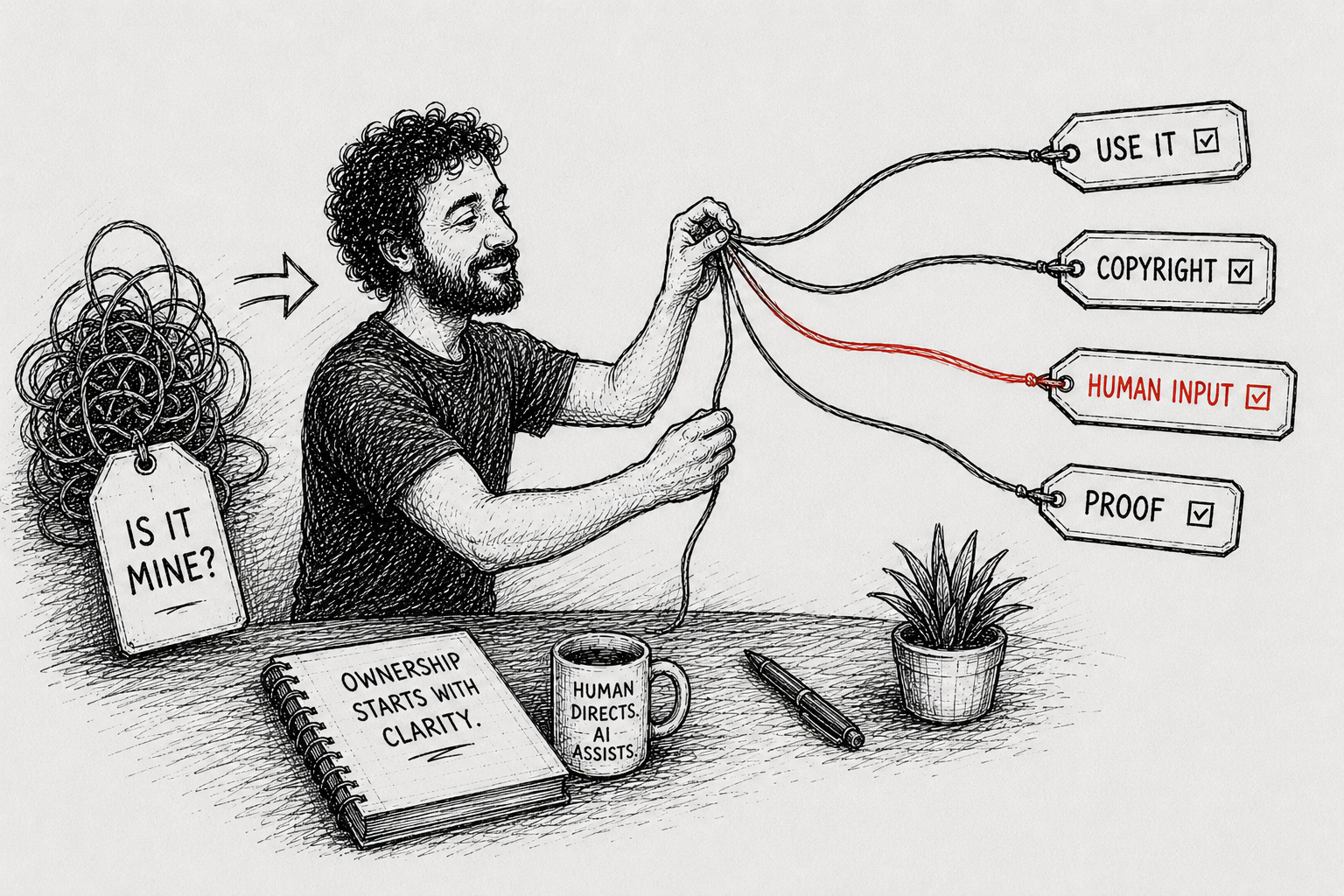
You Own the Song. But Can You Actually Protect It?
Around your tenth finished track, a question creeps in: wait, is this actually mine? The confusion comes from treating four separate questions as one. Let us pull them apart.